+49042150940
5.0 Mentor Rating
Neribelo
Energy Yoga Mentorship
Neribelo
Stress relief energy yoga ยท London

Tension leaves
when it has
somewhere to go

Neribelo works with people who carry stress in their body long after the situation that caused it has passed.

This is long-term mentorship - not a six-week fix. The work is structured, the relationship is consistent, and the pace is yours.

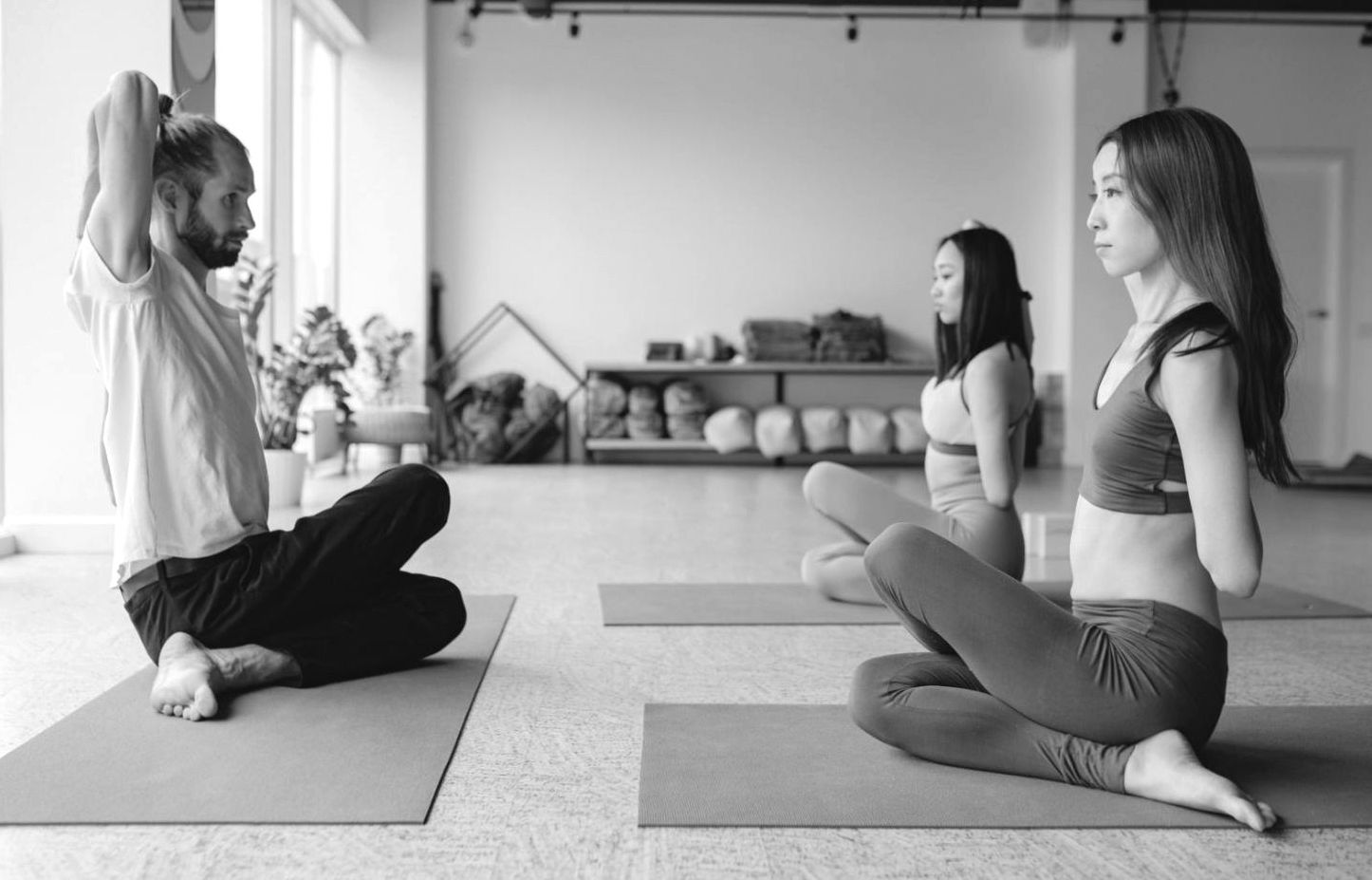
Yoga practice in a calm studio space
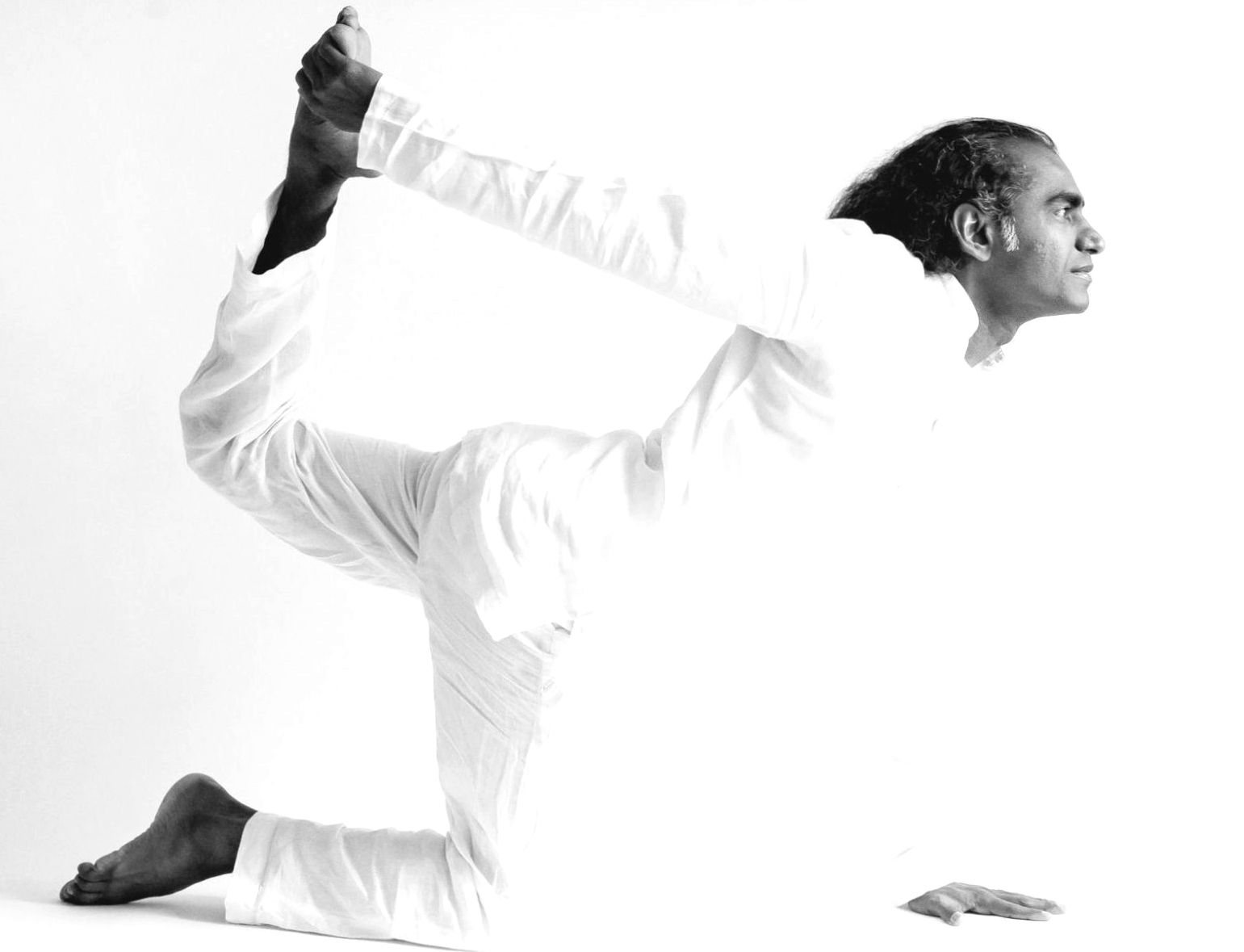
Close detail of a grounded yoga posture
Breathwork and movement session
What sets this apart

Two things the obvious alternatives skip

Mentor-led energy yoga guidance
The nervous system, not just the muscles

Most yoga classes move the body through shapes. Energy yoga at Neribelo works with how your nervous system responds to those shapes - which is a different thing entirely.

Breathwork, pacing, and the sequence of effort and rest are chosen specifically for stress physiology, not general fitness.

Continuity over novelty

A class you attend once a week with thirty other people cannot track how your tension patterns shift month to month. Mentorship can.

The relationship here accumulates context - what worked in March, what didn't in September, what changed after a difficult period at work.

What this requires from you

1. Willingness to slow down

Energy yoga for stress relief is not high-intensity. If you are looking for something that makes you sweat through effort, this is not it.

The work asks you to stay present with subtle physical signals - which some people find harder than a vigorous workout.

2. Consistency over intensity

Nervous system patterns change slowly. Three months of regular practice outperforms an intensive weekend retreat every time.

The people who get the most from this commit to showing up even when nothing dramatic seems to be happening.

3. Honesty about your state

Mentorship only works if the mentor knows what is actually going on. That means saying when something feels wrong, not just when it feels good.

This is not a space that requires you to perform progress. It requires you to report it accurately.

The range of situations this addresses

These are not diagnoses or categories. They are the kinds of circumstances that tend to bring people here - shown in rough order of when in a stress cycle they typically arrive.

Most people find themselves somewhere across several of these at once.

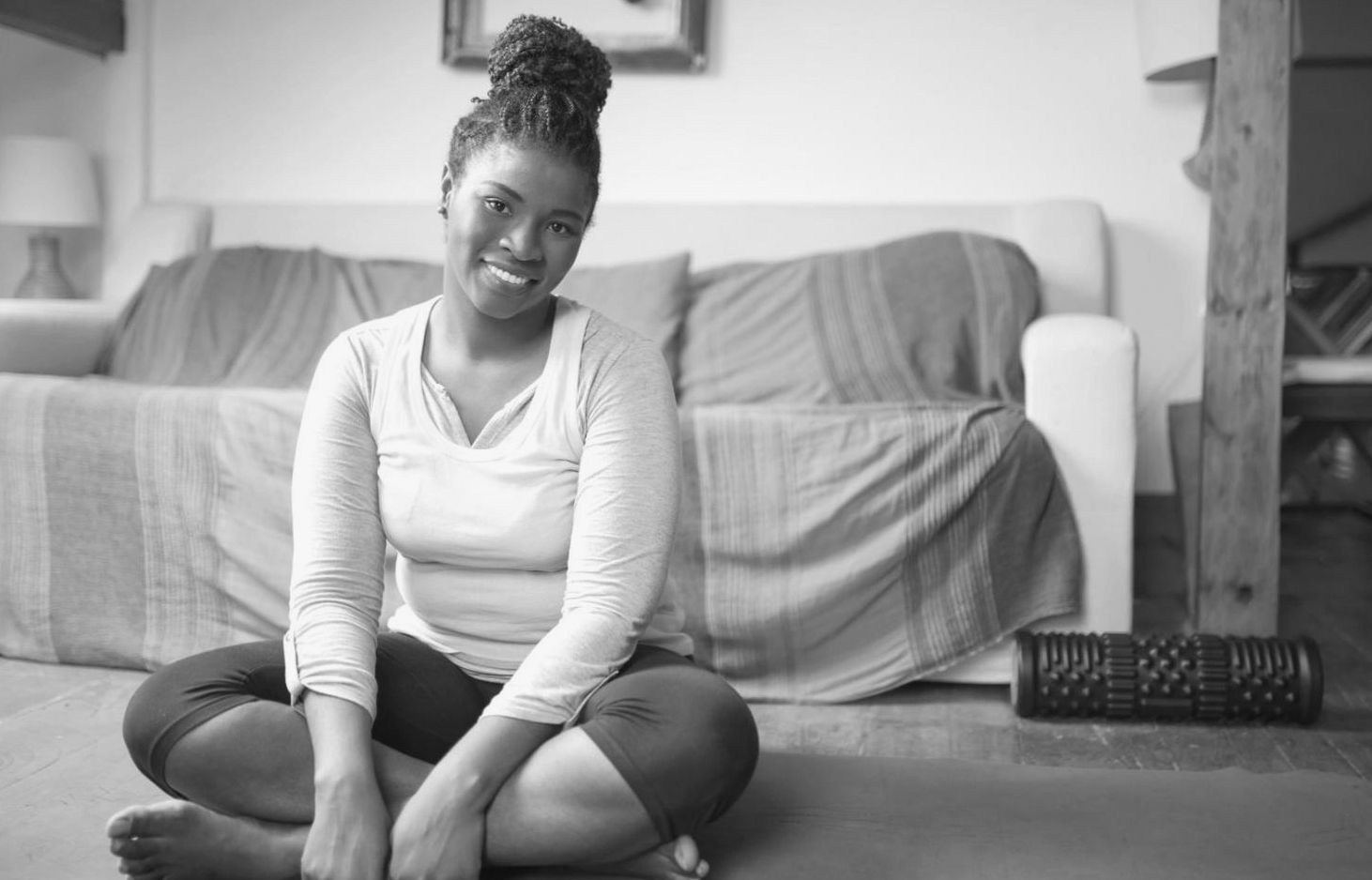
Restorative yoga position for stress relief
During high-demand periods
Sustained work pressure - not a single deadline but months of operating above a comfortable baseline, where the body has quietly stopped recovering between cycles.
Caring responsibilities - people managing the needs of others over long periods often find their own physical state has been deprioritised to the point of unfamiliarity.
After something significant has passed
Post-transition fatigue - a move, a career change, a relationship ending. The acute phase is over but the body has not caught up with that fact.
Recovery after illness - not rehabilitation in a clinical sense, but the slower work of rebuilding energy capacity when the medical part is finished.
Ongoing background states
Persistent low-level tension - the kind that has no single cause, has been present so long it feels normal, and shows up as jaw tightness, shallow breathing, or difficulty switching off.
Disrupted sleep and restlessness - where the mind quiets but the body does not, and lying still feels like effort.
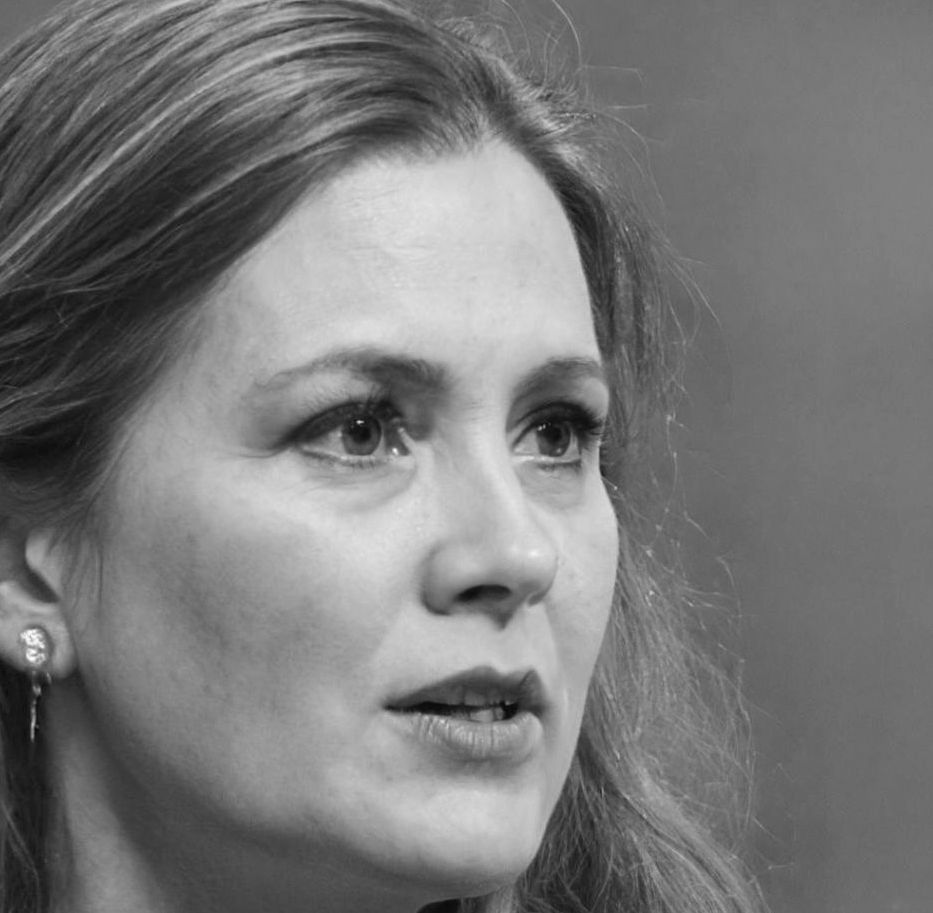
Neribelo lead mentor portrait
Orla Fenwick Lead Mentor, Neribelo

Professional relationships and context

Neribelo operates within a network of London-based practitioners - physiotherapists, somatic therapists, and occupational health specialists - who occasionally refer clients and receive referrals in return.

This is not a formal partnership arrangement. It is the kind of professional ecosystem that forms when people working in adjacent areas compare notes over a few years and develop mutual trust.

The mentorship draws on training in somatic movement, pranayama, and restorative yoga, alongside ongoing study in stress physiology. The practice has been running since 2022, with most clients working on a long-term basis.

  1. Somatic movement and body-based stress regulation
  2. Pranayama and breath-led nervous system work
  3. Restorative yoga sequencing for fatigue recovery
  4. Ongoing collaboration with allied health practitioners

Focused breath and movement practice
Energy yoga session for stress relief

The body holds stress after the mind has moved on. That gap is where the work happens.

The specific problem this addresses

The main problem is not stress itself. It is the residue - the physical state that persists after the stressor has gone, because the body never received a clear signal that the threat was over.

This shows up as a body that is technically resting but physiologically still braced. Sleep does not fully restore. Effort feels disproportionate to the task.

Identifying where tension accumulates

Learning to read your own physical patterns before they compound.

Interrupting the holding response

Movement and breath sequences that give the nervous system a different option.

Building a longer recovery window

Gradually extending the time between stress and the point where it becomes physical residue.

What long-term clients describe

Brigid Tully Working with Neribelo for 14 months

I stopped waking up at 3am about four months in. I don't know exactly what shifted - the sessions just made it easier to let things finish at the end of the day rather than carry them forward.

Noel Varga Working with Neribelo for 11 months

What surprised me was that the work was quiet. I expected something more effortful. The changes came from paying attention to things I'd been ignoring - not from pushing harder.

Saoirse Kildare Working with Neribelo for 9 months

The continuity matters more than I expected. Having someone who remembers what you were dealing with six months ago changes what is possible in a session.

Finbar Doyle Working with Neribelo for 18 months

I came in expecting to be taught techniques. What actually happened was more like developing a different relationship with my own physical state - which is harder to describe but more useful.

The pattern across these accounts is not dramatic transformation. It is a gradual reduction in the gap between how someone feels and how they would like to feel - achieved through consistent work over months, not weeks.

Nobody here describes a breakthrough moment. They describe a slow accumulation of small differences that added up to something they noticed only in retrospect.